If you've spent any time researching ways to access a luxury yacht without buying one outright, you've probably hit two names: SeaNet, the largest fractional yacht operator in the U.S., and us. We get a steady stream of questions from prospective members deciding between SeaNet's fractional model and an Artizia membership, and the honest answer is that they aren't really competing for the same buyer.
Both are good products. Both solve real problems. They just solve different problems for different people, and reading them as if they were direct competitors leads to bad decisions on both sides.
The simplest way to understand the difference, before anything else: fractional ownership is still ownership. Membership is not. That sounds obvious, but it drives almost every downstream difference in this post.
One is a capital decision. The other is a service decision.
This is the comparison we wish we could send to every prospective member who's torn between the two. We'll lay out where SeaNet wins, where membership wins, and how to figure out which one is the right answer for your actual life.
What each model is, in one paragraph
SeaNet runs a fractional yacht ownership program at the high end of the market. Members buy a share of a specific large yacht (the size class is well above what we operate, with vessels generally in the megayacht range), and that share comes with a defined number of weeks per year on that vessel and access across a fleet of comparable yachts in their network. The fleet operates in major global cruising grounds. The buyer is a partial owner with the legal interest, the equity exposure, and the responsibility that comes with that. Specific share sizes, vessel selection, and pricing have changed over the years, so for current details on their program you should go to the source.
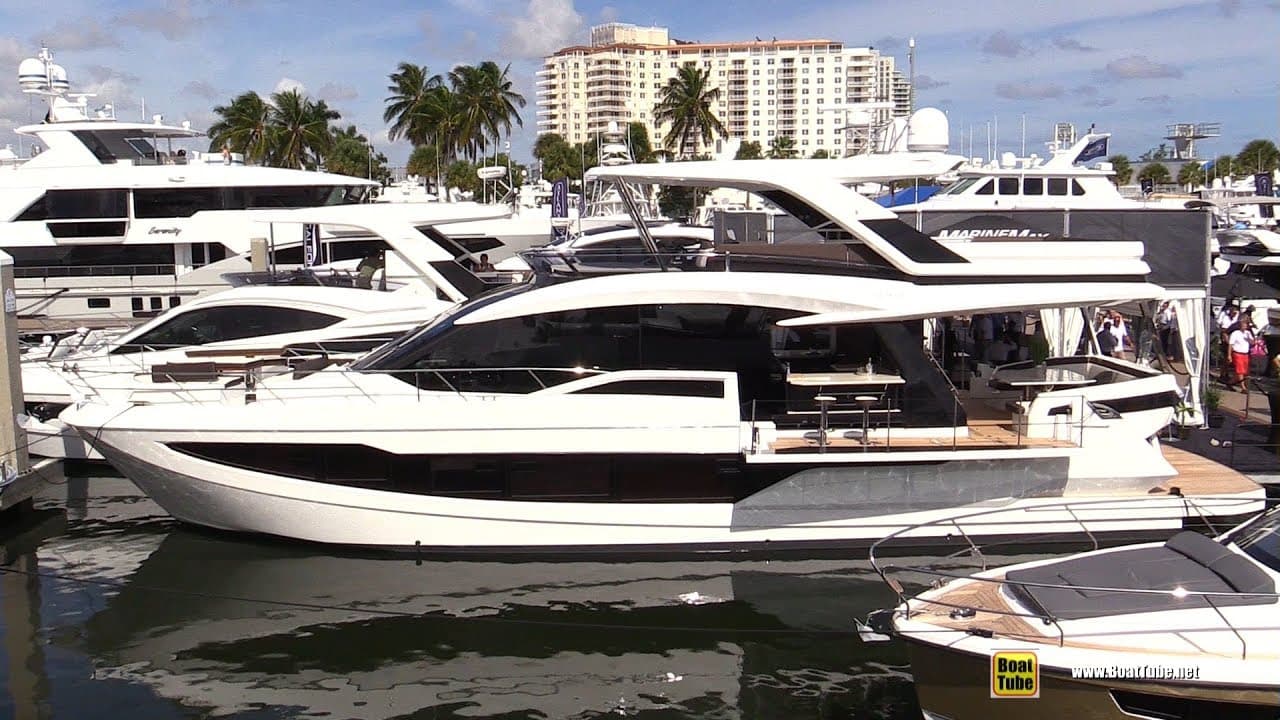
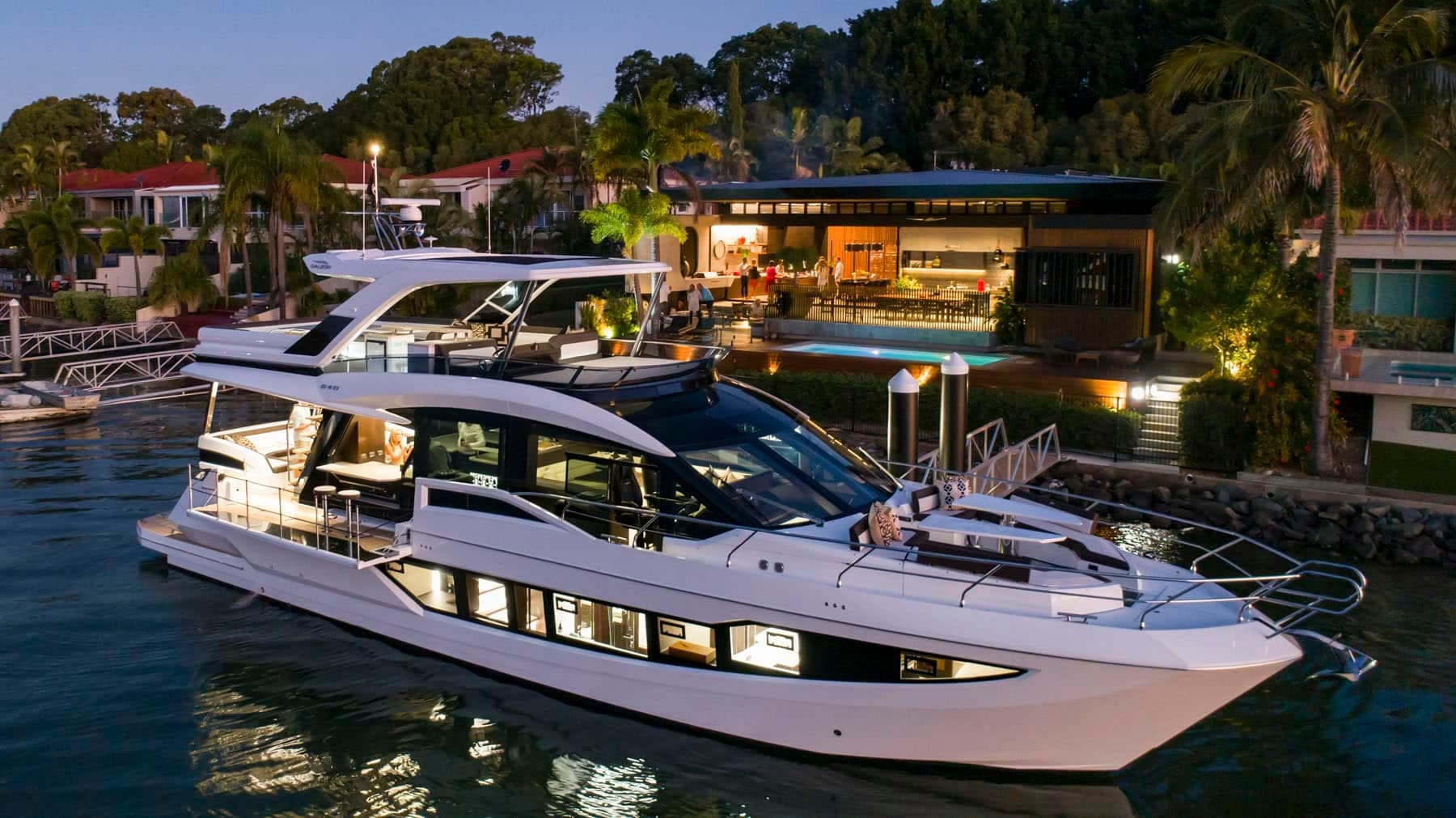
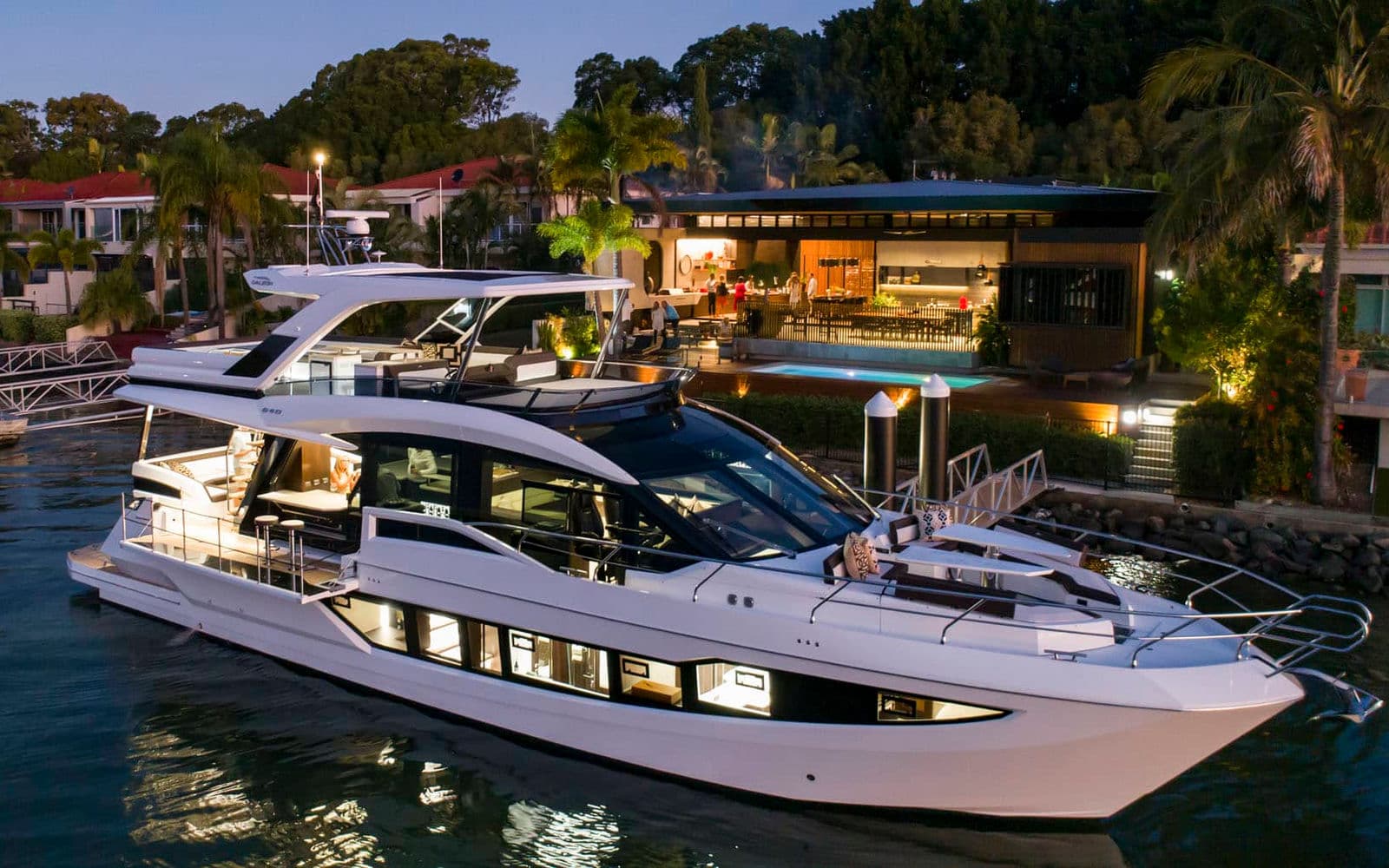
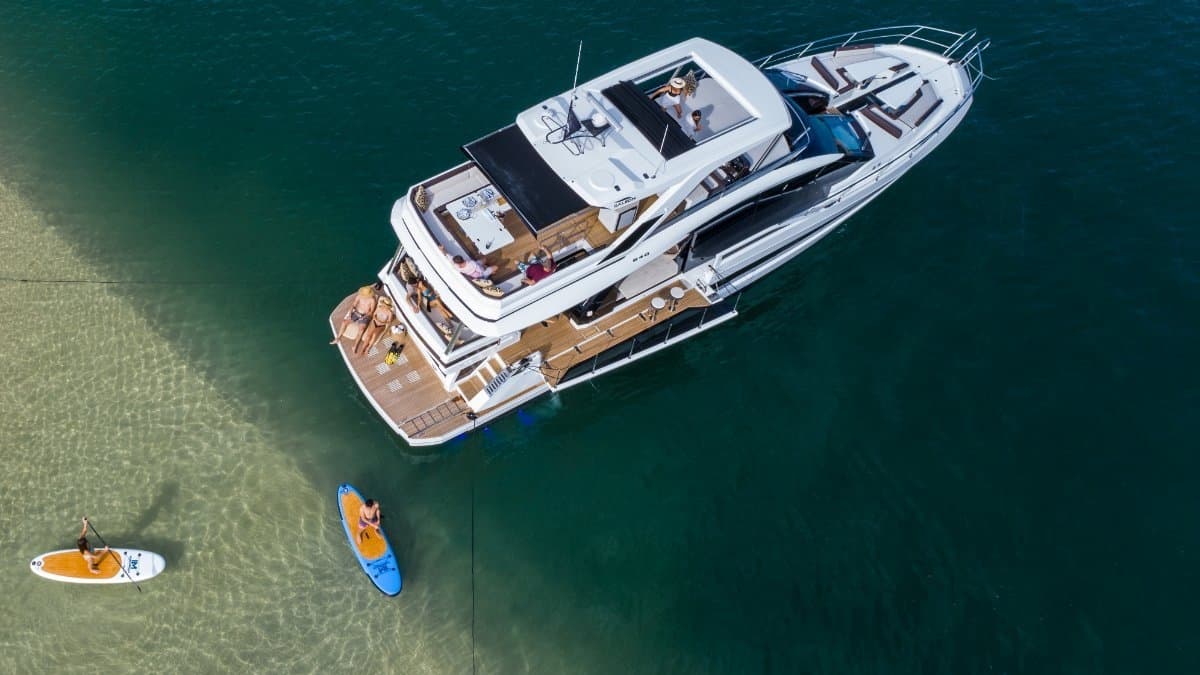
Artizia is a membership program. Members don't own anything. They pay an initiation fee plus monthly dues for a defined number of charter hours per year on our 65 to 70 foot Galeon 640 Fly, with USCG captain, crew, bartender, food, beverage, and fuel all included. We operate at a single yacht per location, with hard caps on member count, in Southern California. Our Executive tier sits at $100,000 initiation and $7,000/month ($84,000/year) for 80 included hours, with overage at $900/hour.
The two products look superficially similar because they both solve the "I want a yacht, not the yacht headache" problem. They diverge on almost every other dimension.
A nuance most comparisons miss: what "fleet access" actually is
This is worth slowing down on, because it's the single most-misread feature in the fractional category.
When you buy into SeaNet, you are buying into a specific yacht. That's your primary asset. That's where your priority usage lives. The program also offers the ability to exchange your time onto other yachts within the network, which is a real benefit, but it should be understood for what it is: an exchange mechanism, not unlimited access. Your ability to use another yacht in the network depends on availability windows, booking rules, the priority of that yacht's actual owners, and the season. In practice, your experience is anchored to the yacht you own.
That isn't a flaw. It's just how fractional ownership works. But the marketing language around "fleet access" tends to imply more flexibility than the structure actually delivers, and prospective buyers consistently overestimate how much exchange capacity they'll have on the calendar week they actually want it.
Where SeaNet wins
We want to be clear about this part because it matters. There are buyers for whom SeaNet is genuinely the right answer, and an Artizia membership is the wrong tool.
You want a much larger vessel. SeaNet's fleet sits well above the size class we operate. If you've decided you want a 100 foot or larger yacht with multiple decks, full-time live-aboard crew, and the kind of stateroom count that supports family-of-twelve trips, fractional ownership of a vessel that size is the realistic path. We do not operate at that size and have no plans to.
You want equity exposure and depreciation deductions. Owning a fractional share of a multi-million dollar yacht means you're holding a fraction of a real, marketable asset that depreciates on a schedule. For buyers using the yacht inside a business structure with proper substantiation, that depreciation flows through to a real tax shelter, including potential Section 179 and bonus depreciation treatment depending on the year and the legislative environment. The exact percentages have shifted multiple times under recent federal tax legislation, so the right number for you is the one your tax advisor pulls from current code, not anything you read in a yacht blog. The structural point: fractional ownership is a depreciable asset purchase. A membership is a service expense. There's no depreciable asset, no Section 179 election, no bonus depreciation. For a buyer who's structuring a yacht purchase explicitly to capture writeoffs, fractional wins on this dimension and we won't pretend otherwise. This is the single biggest concrete advantage SeaNet has over us, and any honest comparison has to name it.
You want to point at a specific boat and say "that's mine." This is partly identity, partly bragging rights, partly emotional. We don't begrudge it. Some people want to own. Fractional ownership is the cheapest legal way to honestly say "I own a piece of that yacht."
Your usage is measured in weeks, not days. A SeaNet share is structured around multi-week cruising blocks: longer, more intentional trips, multi-leg itineraries, time blocked off in advance. That's what the structure is built for. If you take three weeks off in the Caribbean over a season, then a Mediterranean week, then a fall long weekend, the fractional structure fits. A membership built around 4-hour and 8-hour charter slots does not.
If two or more of those describe you, stop reading this post. Talk to SeaNet. They run a serious program and we have no interest in trying to win a buyer who's a better fit for them.
Where Artizia wins
Now the other side. There's a much larger pool of prospective buyers for whom membership is the right answer, and we'd argue the fractional pitch is selling them more boat than they need at a structure that doesn't match their life.
Your boating life is regional. Most yacht buyers, even high net worth ones, do most of their actual on-water time within driving distance of home. The romantic vision of Caribbean weeks and Mediterranean summers is real for some buyers and aspirational for many more. If you're a Southern California family that will spend 80 to 90 percent of your water time within a half-day of San Diego or Newport Beach, paying for global access you won't use is just paying.
Your trips are moments, not expeditions. A Saturday with friends. A client outing mid-week. A family day in the harbor. A sunset cruise for an anniversary. These are not multi-week trips. They're moments. And these are the actual use cases of a typical SoCal yacht buyer. Fractional ownership structures usage in cruising weeks. Membership structures it in 4-hour and 8-hour slots, which is what your calendar actually has room for.
You want predictable, all-in economics. This is where the comparison gets sharp. A SeaNet share is not a single check at purchase. It's a share price plus your pro-rata portion of every operating cost the yacht runs through in a year (slip fees, dockage at destinations, crew salaries, insurance, fuel, routine maintenance, refit cycles, all of it), plus a management fee paid to SeaNet for running the program. The fractional owner bears those costs whether or not they used the boat that year, and the operating side is open-ended: a major engine rebuild or a refit year can move the annual cost meaningfully. Buyers we've spoken with consistently flag year-three and year-four operating costs as the line they wish they'd modeled more carefully going in.
Artizia membership is the opposite structure. An initiation fee. A fixed monthly dues bill. An hourly rate for hours beyond your annual allocation. There are no maintenance pass-throughs. No fuel surcharges. No partner-vote on an $80K electronics upgrade. No engine rebuild assessment in year four. Captain, crew, bartender, food, beverage, slip, and fuel are in the dues. The accountant's job in evaluating an Artizia membership is two lines on a spreadsheet for the year. The accountant's job in evaluating a SeaNet share is a multi-page operating budget with line-item shares of fifteen separate cost categories.
This isn't a knock on SeaNet. It's how fractional ownership works at any operator. But the difference is real and it matters: if you want to know exactly what this thing will cost you in year three, membership tells you, and fractional doesn't.
You want zero exit risk. This is, to us, the single most underrated difference. A SeaNet share is real property and selling it requires a buyer who likes the same boat at a similar share size, often through their resale process. Resale of fractional yacht shares can take meaningful time to clear, and the resale market for a depreciating asset rarely favors the seller. A membership, by contrast, has a clean exit: you stop paying dues and you're out. The Platinum tier in particular is structured so the commitment feels closer to an annual subscription than to a capital purchase, which is the right shape for buyers who want optionality.
You don't want to be a partner. Fractional, by structure, makes you a partner with three to seven other people who share economic interests in the same vessel. Even with a good operator running it, the partner dynamic is real. You won't all want the same upgrades. You won't all care equally about the boat being kept in showroom condition. You'll feel slightly differently about the captain's discretion on weather windows. Most fractional groups work fine. Some don't. Membership cleanly removes you from any partner dynamic; the operator runs the boat and the only relationship you have is with the operator.
Your usage falls in the 15 to 100 days per year range. This is the band where membership wins by the most on pure economics. Below 15 days a year, charter is the right answer. Above 100 days, you're an owner whether you bought the boat or not. The middle range, which is where 80 percent of HNW yacht buyers actually fall, is exactly where a tightly capped membership beats both fractional and ownership on the math. We laid out the full numbers in our Real Math post, and the result holds when SeaNet is one of the comparison points.
The five tradeoffs that actually decide it
Once you've narrowed to "SeaNet or Artizia," the decision usually comes down to five concrete tradeoffs. We'll lay each one out without picking sides.
1. Vessel size and fleet vs. consistency. SeaNet trades fleet diversity and vessel size for the operational complexity that comes with scale. Artizia trades fleet breadth for one yacht per location, run with the same crew, in the same condition, every charter. Both are valid product decisions. The question is whether you value variety or consistency more.
2. Tax-advantaged ownership vs. clean-cost service. SeaNet gives you a fractional ownership stake. That stake has real depreciation that, with proper structure and substantiation, becomes a meaningful tax deduction. It also has real exit risk and a real share of every operating cost the yacht generates plus a management fee. Artizia gives you a service expense: predictable, no asset, no depreciation deduction, no exit risk, no operating cost pass-through. The buyer optimizing for tax writeoffs against active business income wants the fractional structure. The buyer optimizing for "I know what this costs me every month and there are no surprises" wants the membership. Both are legitimate optimizations. Pick the one that fits how you actually think about money.
3. Multi-week cruising vs. day usage. SeaNet's structure rewards multi-week trips and multi-leg itineraries. Artizia's structure rewards days and shorter outings, including the dinner cruise, the client entertaining slot, the kids' birthday afternoon. Look at your historical or expected usage. If most of your trips are days, the membership structure aligns with your life. If most are weeks, fractional aligns better.
4. Service model and crew familiarity. This is the one we feel strongest about. With one yacht and at most 18 members per location, the structure makes it possible for the captain and crew to actually know every member by name, learn the kids, learn the cocktail, learn the route preferences. That level of familiarity is not aspirational marketing copy; it is a direct mathematical consequence of capping at 18. Fractional fleets, especially globally distributed ones, simply cannot deliver that level of crew familiarity at scale, because the crew rotates and the membership is too large. If "the crew knows me" is a feature you value, membership is structurally better at it. If you don't care, it doesn't matter.
What we tell people who ask us directly
The most common pattern we see in prospective members evaluating both options runs roughly like this. The buyer talks to SeaNet because they're the obvious incumbent in the fractional category. They get sold a 1/8 share of a 100 foot yacht. The numbers are big but not absurd by HNW standards. Then the buyer sits with the structure for a week and starts asking some honest questions about their actual life.
Will I really go to the Mediterranean three times this year? Probably not. Will I really fly to St. Barts for a winter week with my kids? Maybe once. Do I really want to be a partner in a yacht with seven other families I've never met? Eh. Will I really be okay with the resale uncertainty if my financial situation changes in five years? Worth thinking about.
When those questions land hard, the buyer comes back to a simpler question: what's the most days on the water I can actually get, in the most predictable way, in the place I actually live? That question doesn't have a fractional answer. It has a membership answer.
The reverse pattern also exists. Some prospective members come to us first, talk to us, and realize that what they actually want is a 110 foot yacht in Sardinia in August. We tell them to call SeaNet. Both of these patterns are healthy. The bad outcome is the buyer who joins the wrong product because they didn't sit with the questions first.
The decision framework, condensed
If you're trying to make this call, work through these in order.
First, where does your actual yacht time happen? If most of it is global, fractional. If most of it is regional, membership.
Second, how is your time structured? If multi-week cruising blocks, fractional. If days and short outings, membership.
Third, are you optimizing for tax writeoffs through depreciation against active business income, with the willingness to bear pro-rata operating costs and a management fee on top? If yes, fractional. If you'd rather have all-in, fixed-cost economics with no depreciation deduction, membership.
Fourth, are you comfortable with partner dynamics across a fractional ownership structure? If yes, either works. If no, membership.
Fifth, how strongly do you value crew and concierge familiarity at the level where everyone knows your name? If very, membership. If indifferent, either works.
Most prospective buyers we've talked to land cleanly on one side after walking those five questions honestly. The buyers who land in the middle of the matrix are usually the ones who haven't fully thought through their own usage patterns, and the right next step for them isn't to pick a product, it's to sit with their calendar for a week and notice what they actually want.
Final thought
There's no single "better" option in this category. There's only the option that matches your reality.
If you're in the middle of evaluating fractional vs. membership, the highest-leverage thing you can do is have an honest conversation with both operators. Tell SeaNet your usage pattern. Tell us yours. SeaNet has been in the fractional category for years and knows their product. We know ours. If our membership isn't the right answer for your usage, we'd rather tell you that than sell you the wrong tier.
If you'd like to start with us, book an intro call and we'll walk through your actual numbers, your actual usage, and whether membership is the right fit. If it isn't, we'll tell you. If it is, we'll show you the seat available at your tier.
The mistake most people make in this category isn't choosing fractional or membership. It's choosing based on the version of their life they imagine, instead of the one they actually have.